 |
Your travel guide to Kerala, South India
Ayurveda: What Is It?
Ayurveda: Traditional Indian Medicine for Restoring Balance and Well-Being
What Is Ayurveda?Ayurveda is a traditional Indian system of medicine practiced for more than 5,000 years. Even today, it holds an important place in the culture and daily life of millions of people in India. This natural approach to health is recognized by the World Health Organization (WHO) as a traditional and complementary medicine. The word “Ayurveda” comes from Sanskrit, the ancient language of India:
Ayurveda can therefore be translated as “the science of life.” Far more than a simple healing method, Ayurveda is a true philosophy of life that considers the body and mind to be deeply connected. Its main goal is to preserve inner balance in order to promote lasting health and overall well-being. |
A Holistic and Personalized Approach to HealthOne of the foundations of Ayurveda is the idea that every individual is unique. Two people may experience the same symptoms without having the same needs. Ayurvedic guidance takes into account:
This holistic vision helps better understand imbalances in the body and mind in order to provide solutions tailored to each individual. Unlike approaches focused solely on symptoms, Ayurveda seeks to address the root causes of imbalance. |
The 5 Elements in AyurvedaAccording to Ayurvedic philosophy, everything in the universe is made up of five fundamental elements:
These elements are also present in the human body and influence our physical, emotional, and mental functioning. The balance between these elements naturally evolves throughout life. When an imbalance occurs, it may lead to fatigue, stress, digestive issues, tension, or emotional discomfort. Ayurveda therefore aims to restore this natural harmony through practices adapted to each individual. |
The Doshas: The Body’s Energies in AyurvedaThe five elements give rise to the three primary energies known as Doshas:
Each person has a unique combination of these three Doshas. |
Vata: The Energy of MovementAssociated with Air and Ether, Vata governs movement, breathing, and the nervous system. A person dominated by Vata is often creative, dynamic, and intuitive. An imbalance may lead to:
|
Pitta: The Energy of TransformationPitta is linked to Fire and Water. It represents digestion, body heat, and mental energy. When balanced, Pitta supports:
In excess, it may cause irritability, stress, or inflammation. |
Kapha: The Energy of StabilityComposed of Water and Earth, Kapha brings stability, gentleness, and endurance. Balanced Kapha promotes:
An imbalance may lead to heaviness, fatigue, or lack of motivation. |
Practices Used in Ayurveda
Ayurveda relies on several natural disciplines designed to rebalance the body and mind.
Ayurvedic NutritionDiet plays a central role in this traditional medicine. Foods are selected according to a person’s constitution, the season, and current needs. The goal is to promote healthy digestion and naturally support vital energy. |
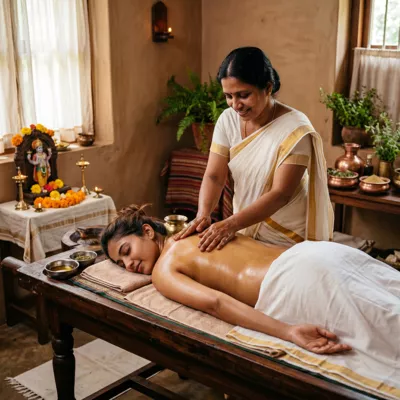
Ayurvedic MassagesAyurvedic massages are especially appreciated for their relaxing and balancing effects. Performed with warm oils adapted to individual needs, they help to:
Among the best-known treatments are:
|
Yoga and MeditationAyurveda is closely connected to yoga and meditation. These practices help calm the mind, improve breathing, and strengthen emotional balance. |
Ayurvedic Herbal MedicineThe use of plants is also part of Ayurvedic traditions. Certain herbs have been used for centuries to naturally support the body. In France, Ayurvedic herbal medicine should always be used in accordance with medical recommendations and does not replace treatment prescribed by a healthcare professional. |
The Benefits of Ayurveda in Daily LifeMore and more people are turning to Ayurveda to regain a better balance in life. This approach may help to:
Ayurveda also encourages a more mindful lifestyle that respects the body’s natural rhythms. |
Ayurveda and Modern Medicine: A Complementary ApproachIn France, Ayurveda is mainly considered a wellness and preventive practice. It does not replace traditional medical care or treatment prescribed by a doctor. However, this approach can complement a healthy lifestyle and appropriate medical support. To learn more about traditional medicines recognized worldwide, you can consult the official OMS website. |
Why Is Ayurveda Attracting More and More People?
In a society where stress, fatigue, and intense lifestyles have become common, many people feel the need to return to a more natural and balanced approach to health.
Ayurveda appeals to people because of:
- its holistic vision of the human being,
- its personalized approach,
- its natural practices,
- the importance it places on emotional balance.
This ancient medicine invites us to slow down, listen to our bodies, and take care of ourselves more consciously.
Conclusion: Ayurveda, a Philosophy of Life Focused on Balance
Ayurveda is much more than a traditional Indian medicine. It is a complete approach to well-being aimed at harmonizing the body, mind, and emotions.
Through natural practices such as adapted nutrition, massages, yoga, and meditation, Ayurveda helps individuals regain lasting inner balance.
Taking care of oneself naturally, better understanding how the body works, and rediscovering serenity and vitality — this is the true richness of Ayurveda.